
Neurodivergent Travel What It Means and Why It Matters
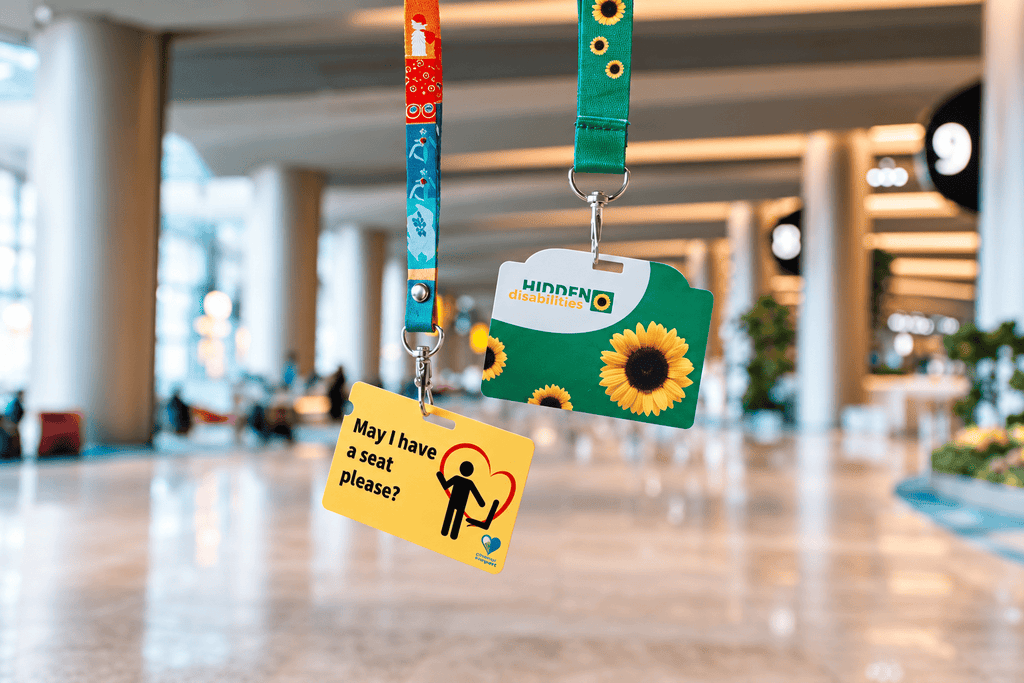 Support lanyards can help travellers discreetly signal that they may need extra assistance. Image source: Changi Airport
Neurodivergent travel is not a separate type of holiday. It is a more thoughtful way of planning and delivering travel so that people whose brains process information, sensory input or communication differently can participate with greater comfort, dignity and independence.
For travellers departing from Singapore, that can mean knowing what support is available at Changi Airport, choosing accommodation that answers accessibility questions clearly, building recovery time into an itinerary and avoiding surprises where possible. For tourism businesses, it means understanding that accessibility goes beyond ramps and lifts.
What does Neurodivergent mean
Neurodiversity refers to the natural variation in how human brains work. Harvard Health explains neurodiversity as the idea that people experience and interact with the world in different ways, with no single “right” way of thinking, learning or behaving.
The term neurodivergent may include autistic people and people with attention deficit hyperactivity disorder, dyslexia, dyspraxia, Tourette syndrome or other neurological differences. It is not a medical diagnosis on its own, and no two neurodivergent people have identical needs.
That last point matters in tourism. One traveller may find bright lights overwhelming, another may need direct written instructions, and another may enjoy busy attractions but struggle when plans change suddenly. Inclusive travel begins by asking what helps, rather than making assumptions.
What is Neurodivergent travel
Neurodivergent travel is travel that considers sensory, communication, cognitive and emotional access throughout the journey. It covers the full experience: researching a destination, booking, moving through an airport, using public transport, checking into a hotel, visiting attractions and returning home.
A neurodivergent-friendly journey may include clear step-by-step information, photographs of unfamiliar spaces, quiet areas, predictable schedules, flexible queue arrangements, patient staff and the option to communicate in writing. These adjustments can also benefit seniors, families with young children and travellers who are tired, anxious or unfamiliar with the local language.
Why travel can feel overwhelming
Travel brings many positive experiences, but it also compresses unfamiliar sights, sounds, rules and decisions into a short period. Common barriers can include:
· Sensory overload from crowds, announcements, strong smells, bright lighting or constant movement.
· Uncertainty caused by delays, gate changes, unfamiliar layouts or unclear instructions.
· Communication pressure at immigration counters, hotel reception desks, restaurants and attractions.
· Executive-function demands such as organising documents, tracking time, changing transport and managing luggage.
· Long queues or waiting periods without a clear indication of what will happen next.
· Judgement when a traveller needs to move, use a comfort item, wear headphones, communicate differently or take a break.
These barriers are often invisible. Staff may interpret a delayed response as rudeness, or a distressed traveller as uncooperative, when the person may actually be overloaded and trying to regulate. A calm, respectful response can prevent the situation from escalating.
Why Neurodivergent travel matters in Singapore
Singapore is both a destination and a major aviation hub. Travellers may pass through crowded terminals, transport interchanges, shopping areas and attractions in a single day. Making these environments easier to understand and navigate supports Singapore’s wider reputation for efficient, welcoming and inclusive tourism.
Changi Airport provides a useful local example. Its Care at Changi special-assistance services include trained Care Ambassadors and support for travellers with invisible disabilities. Changi also explains the Hidden Disabilities Sunflower lanyard and LTA Helping Hand lanyard, which can help a traveller indicate discreetly that extra time, patience or assistance may be useful.
This shows an important principle: good access combines facilities, staff training, practical tools and accurate information. A quiet room alone cannot solve every challenge, just as awareness training alone is not enough if booking information remains vague.
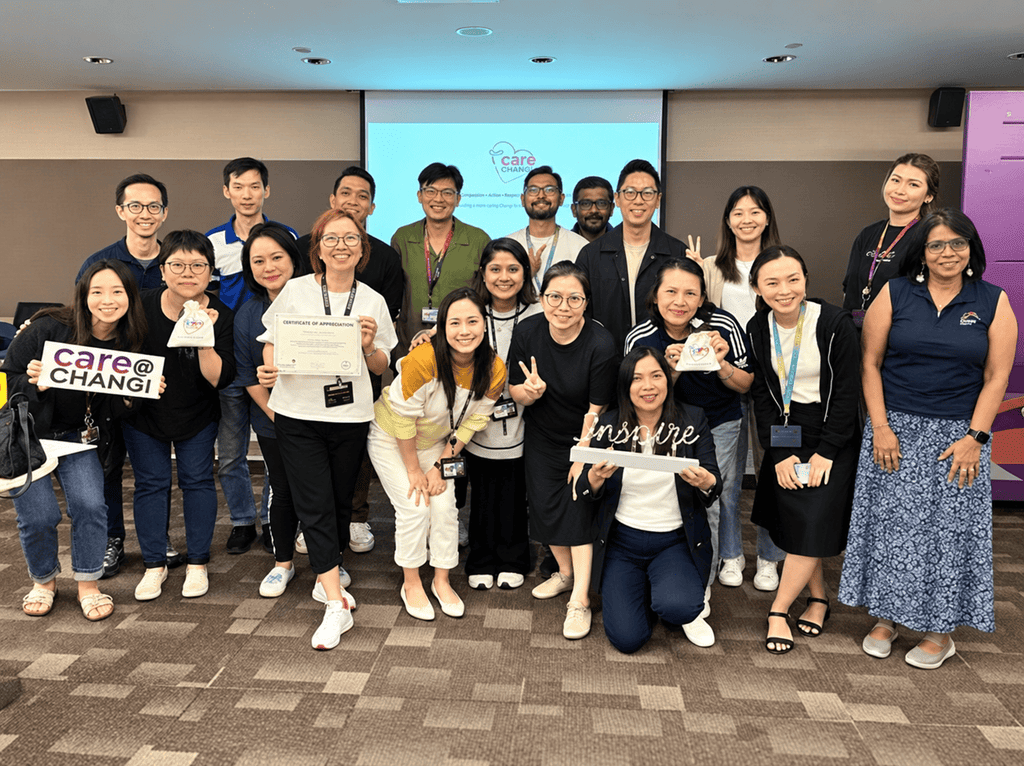 Training gives tourism staff practical skills to support travellers with visible and invisible disabilities. Image source: Changi Airport
What a Neurodivergent-Friendly journey looks like
Before booking
Websites should provide specific information instead of broad claims such as “accessible for everyone”. Useful details include expected crowd levels, lighting and noise conditions, queue procedures, toilet locations, break areas, step-by-step arrival instructions and a named contact for questions.
At the airport and during transport
Travellers benefit from consistent signs, clear announcements, visual instructions and staff who allow extra processing time. When assistance is needed, staff should speak directly to the traveller, use plain language and avoid touching the person or their belongings without permission.
At hotels and attractions
A quieter check-in area, advance photographs, flexible entry times and a simple map can reduce uncertainty. Attractions can identify lower-sensory periods, quiet corners and possible triggers such as flashing lights, sudden effects, loud music or strong scents.
When plans change
Delays and closures are sometimes unavoidable. Explain what has changed, why it has changed, what will happen next and how long the wait may be. Whenever possible, offer two clear alternatives instead of an open-ended instruction.
Practical travel tips for Neurodivergent travellers from Singapore
· Plan the journey visually. Save screenshots of routes, entrances, tickets and important instructions in one folder.
· Contact providers early. Ask airlines, hotels and attractions about support before paying, and keep written confirmation.
· Prepare for sensory needs. Pack headphones or ear defenders, sunglasses, familiar snacks, a comfort item and any communication cards that help.
· Keep the itinerary realistic. Leave time between activities and include planned breaks, especially after flights or crowded attractions.
· Use clear backup plans. Record an alternative route, a quiet place and a contact person in case plans change.
· Check airport support. Review Changi Airport’s current special-assistance guidance and contact the airline early for flight-related requests.
· Respect individual preference. A lanyard or disclosure can help some travellers, but nobody should feel forced to reveal a diagnosis.
How tourism businesses can become more inclusive
Hotels, attractions, tour operators and transport providers do not need to predict every individual need. They can start by reducing avoidable uncertainty and giving travellers meaningful choices.
· Publish useful access information. Describe the real experience, including noise, lighting, crowds, walking distances, waiting times and quiet-space availability.
· Offer more than one communication channel. Let customers ask questions by email or messaging instead of requiring a phone call.
· Train frontline staff. Teach employees to recognise overload, communicate clearly, offer choices and respond without judgement.
· Create quieter options. Identify lower-sensory time slots, quieter seating areas or a place where visitors can pause.
· Design with neurodivergent people. Invite people with lived experience to review information, spaces and service processes.
· Ask one useful question. “What would make this experience easier for you?” is often more helpful than guessing based on a label.
Why inclusive tourism benefits everyone
Clear information, predictable processes and respectful service are not niche features. They reduce stress for many travellers and help businesses build trust before a customer even arrives. They can also reduce misunderstandings, improve staff confidence and make it easier for families and groups to travel together.
The United Nations describes accessible tourism for all as an important part of enabling people with disabilities to participate in travel. Neurodivergent inclusion extends that thinking beyond physical access and into the sensory, cognitive and communication experience.
Frequently Asked Questions
Is Neurodivergent travel only for autistic travellers?
No. The term can include people with autism, ADHD, dyslexia, dyspraxia, Tourette syndrome and other neurological differences. Needs vary between individuals, even when they share the same diagnosis.
Is Singapore friendly for Neurodivergent travellers?
Singapore offers clear transport systems and growing support for invisible disabilities, including services at Changi Airport. However, busy terminals, attractions and shopping areas can still be sensory-heavy, so advance planning remains helpful.
Can I request special assistance at Changi Airport?
Yes. Changi Airport advises travellers to review its special-assistance services and arrange airline-related assistance before arrival. Requirements can change, so confirm directly with the airport and airline before travelling.
What should tourism businesses include on their websites?
Include specific information about noise, lighting, crowds, queues, arrival procedures, quiet areas, toilets, accessibility contacts and what visitors can expect step by step.
Does every Neurodivergent traveller need a quiet space?
No. Some travellers find quiet areas valuable, while others need different support. Offer options and ask the traveller what would help.
Building more welcoming journeys
Neurodivergent travel matters because access is not only about entering a place. It is also about understanding what will happen, communicating needs, managing sensory demands and feeling respected throughout the journey.
Ludus Lab supports more inclusive tourism experiences through accessibility-led learning and travel. Learn more about Ludus Lab and its inclusive work, or visit the Ludus Lab website to explore opportunities for collaboration, training and accessible experiences in Singapore.
Sources and useful links
· Changi Airport Special Assistance
· Changi Airport Travelling with Invisible Disability
· Care at Changi and Inclusive Passenger Experience