SGD$760 (before subsidy)
SGD$38 nett (after 95% subsidy for PWDs)
Please contact us through our enquiry form if there is no schedule listed.

Lora brings a rich history of training and development to Ludus Lab. With over 19 years of experience (since 2005), she's conducted workshops and training sessions for diverse audiences, ranging from young adults to working professionals and even National Servicemen. Her expertise spans various areas, including communication skills, leadership, career guidance, and cultural immersion.

A trainer (since 1996) with over 30 years in the hospitality and tourism industry, May has developed many curriculum and delivered training for education and vocational institutions. Her passion for heritage led her to attend more specialised training programmes. She is now a docent with 13 museums and galleries.

Eliza brings a wealth of experience in tourism and hospitality to Ludus Lab's training programs. With over 30 years in the industry, she excels in tour management, conference organization, and even celebrity client handling.
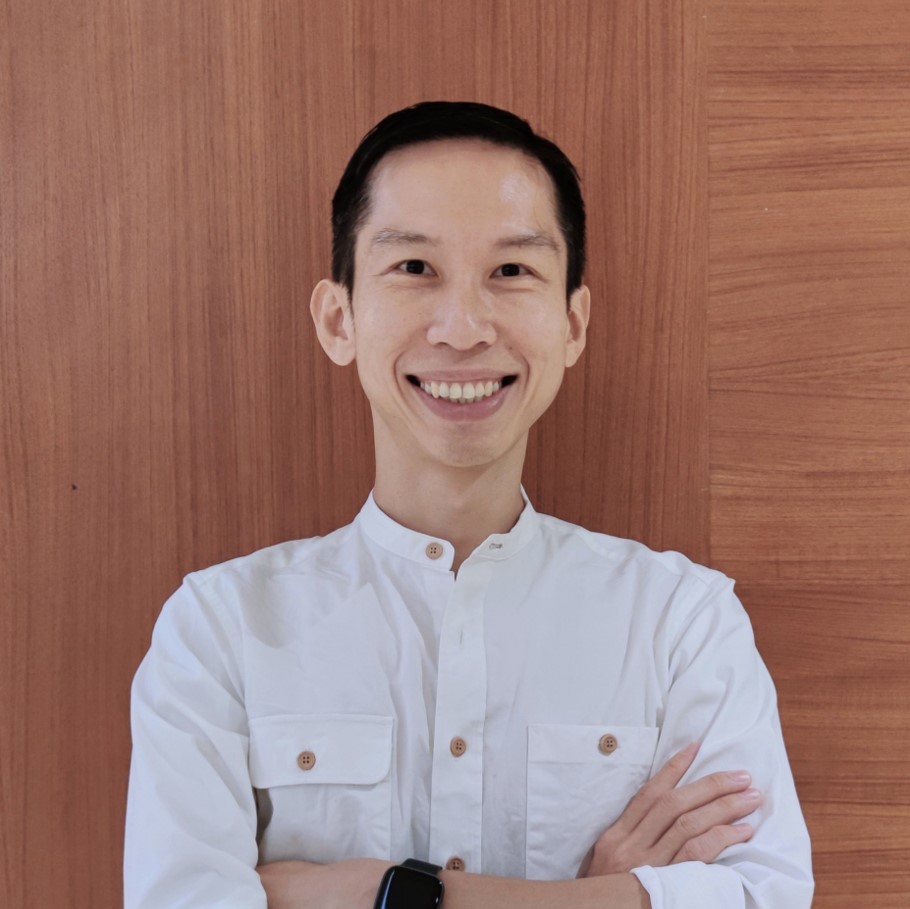
Yock Song is a tourism and hospitality veteran with 15+ years of experience. He leverages his expertise in program design, operational management, and stakeholder engagement to create inclusive training programs for the industry, specifically focusing on accessibility for people with disabilities.
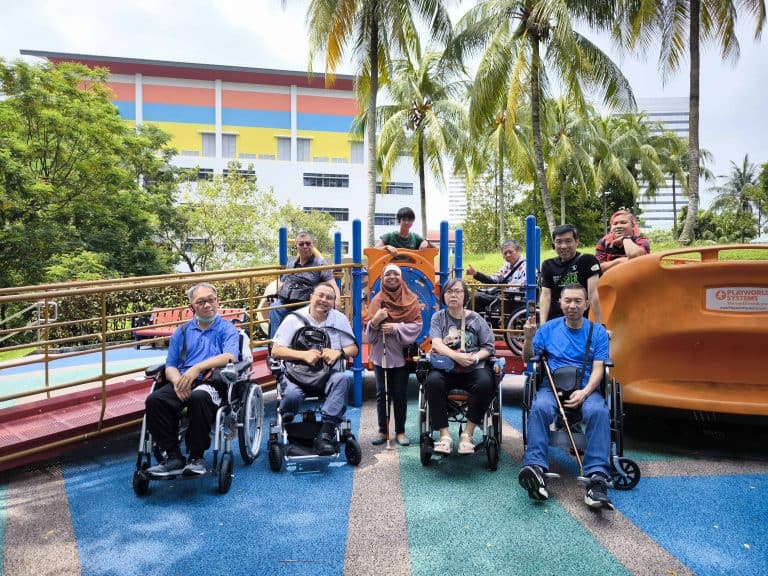
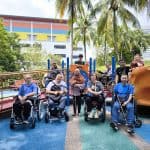
This Tourism Soft Skills Training Programme equips persons with disabilities with essential competencies for front-line roles in the tourism and hospitality sector, including tour guiding, customer service, and event support.
Amid a growing demand for flexible manpower, the events and hospitality industry often relies on short-term, untrained staff. This programme addresses that gap by identifying and developing the specific soft skills required for these roles—building a ready pool of trained, confident, and capable talent for event organisers and conference planners.
While job placement is not a formal requirement of the programme, we are proud that five of our graduates have gone on to take up ad hoc roles within the industry—demonstrating both the relevance and impact of this initiative.
By the end of this programme, participants will be able to:
1. Communicate Effectively in Tourism Settings
Apply effective communication techniques in interactions with guests and colleagues
Engage in meaningful conversations by asking appropriate questions and responding confidently
Speak spontaneously (“off the cuff”) in dynamic, real-world situations
2. Apply Storytelling & Presentation Skills
Craft and deliver personal stories in a clear, engaging, and structured manner
Apply the golden rules of storytelling across different tourism contexts
Adapt presentation styles to suit diverse international audiences
3. Demonstrate Cultural Awareness & Adaptability
Recognise cultural differences when interacting with foreign visitors
Adjust communication styles to better engage guests from different backgrounds
Deliver culturally appropriate service and presentations
4. Apply Negotiation & Feedback Techniques
Demonstrate basic negotiation skills in guest-facing scenarios
Identify common communication blunders and avoid them in practice
Give and receive feedback constructively to improve service delivery
5. Interpret Non-Verbal Communication
Recognise and interpret body language cues in guest interactions
Adjust responses based on non-verbal signals to enhance communication effectiveness
6. Apply Problem-Solving & Conflict Management Skills
Identify challenges and prioritise issues in service situations
Apply structured approaches to resolve problems effectively
Manage conflicts using emotional intelligence and appropriate communication strategies
7. Perform in Real-World Scenarios
Apply communication, negotiation, and problem-solving skills in role-play simulations
Demonstrate confidence in handling realistic tourism and service scenarios
Integrate learning through practical assessments, including MCQs and presentations
8. Reflect and Improve Professional Practice
Reflect on learning experiences from site visits (e.g. Enabling Village Tour)
Identify areas for personal improvement
Incorporate feedback into future interactions and performance
This tourism soft skills program is designed for individuals with disabilities who thrive in face-to-face communication and social interaction.
While past job experience is valuable, a strong interest in public interaction is key.
1. Interacting with Others – Communication & Storytelling Skills
Participants develop strong communication and presentation skills to effectively engage different audiences in tourism settings.
Communication skills across different situations
Conversation skills, including asking questions and engaging others
Impromptu speaking
Presentation skills for different audiences (e.g. international visitors such as Indian vs UK guests)
Storytelling skills, including:
Golden rules for storytelling
Ways to share a story
Common blunders to avoid
Personal story crafting
Negotiation skills
Art of giving feedback
2. Problem Solving Skills
Participants learn structured approaches to handle challenges in tourism and service environments.
Identifying challenges in problem solving
Prioritising issues and identifying root causes
Tools and methods for generating solutions
3. Scenario-Based Learning & Real-World Application
Learning is reinforced through hands-on practice and realistic simulations.
Role-playing real-world tourism and event scenarios
Practising communication, problem-solving, and conflict resolution skills
Adapting responses to situations involving accessibility needs
Building confidence to handle dynamic, unpredictable environments
This will be conducted prior to the course enrolment to ensure that the prospective learner possesses the required aptitude and capabilities to take on the prospective front-line job placement.
Written Assessment (MCQ), Roleplay and Oral Assessment