
What Is Accessible Tourism and Why Does It Matter?
Accessible tourism means designing the entire travel experience so that people with different access needs can participate with greater comfort, dignity and independence. It considers every stage of a journey—from researching and booking a trip to transportation, accommodation, attractions, activities and customer service.
It is not limited to wheelchair ramps. Accessibility may include step-free routes, accessible toilets, clear information, visual and audio communication, quieter environments, suitable hotel rooms, trained staff and flexible support. When these elements work together, more people can enjoy travel without facing unnecessary barriers.
This matters on a global scale. The World Health Organization estimates that about 1.3 billion people, or 1 in 6 people worldwide, experience significant disability. Accessible tourism is therefore not a small or specialised concern. It is an essential part of building a travel industry that welcomes people of all abilities.
Understanding Accessible Tourism
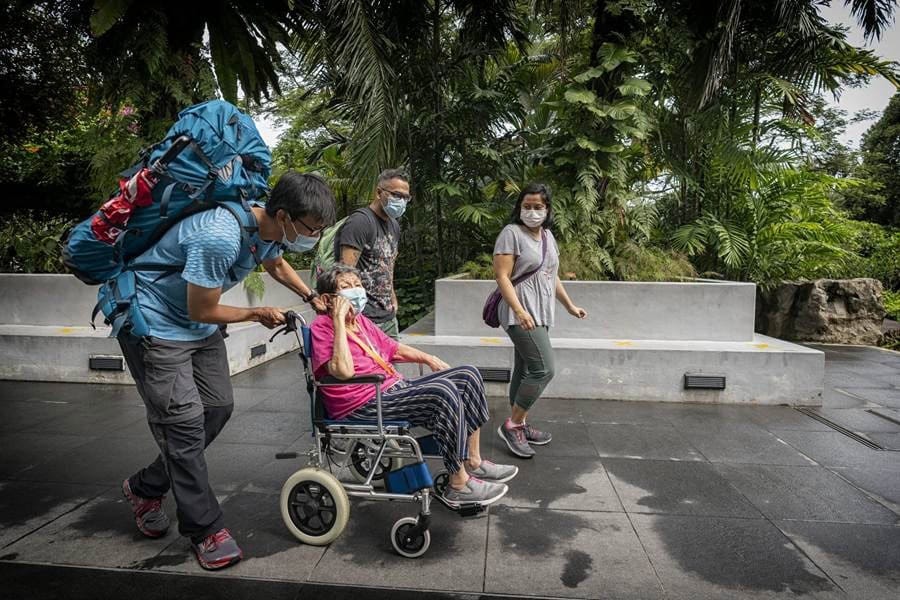
Accessible tourism is a collaborative approach to travel that enables people with access requirements to enjoy tourism products, services and environments equitably. ISO 21902:2021 describes accessible tourism for all as an approach intended to provide equal access and enjoyment to the widest range of people of different ages and abilities.
A genuinely accessible journey depends on the whole tourism supply chain. An accessible hotel alone is not enough if the traveller cannot board the transport, enter the attraction or obtain accurate information before arriving. Accessibility should therefore be considered across:
· Trip research and booking information
· Airports, stations and local transportation
· Hotels and other accommodation
· Attractions, restaurants and public spaces
· Guided tours, activities and events
· Communication, customer service and emergency support
The goal is not to create a separate travel experience for every group. It is to offer thoughtful choices and remove avoidable barriers so that more people can participate together.
Who Benefits from Accessible Tourism?
Accessible travel supports people with disabilities, but its benefits extend much further. Older travellers, families with young children, people recovering from injury and travellers with temporary or less visible access needs may all benefit from clearer information, step-free environments and supportive service.
Travellers with Physical Disabilities
Wheelchair users and people with limited mobility may rely on ramps, lifts, sufficiently wide doorways, accessible toilets and step-free routes. Seating and rest points can also be important for travellers who cannot walk or stand for long periods.
However, a feature should not be described as accessible without useful details. Travellers may need to know the width of a doorway, the height of a step, whether a lift can accommodate their mobility device and whether an accessible vehicle is available. Specific information allows people to decide what is suitable for their individual needs.
Neurodivergent Travellers
People with autism, ADHD, sensory processing differences and other neurodivergent conditions may benefit from predictable schedules, clear instructions and staff who communicate calmly and respectfully. Quiet spaces, advance information about crowds or noise, and the option to take breaks can make unfamiliar environments easier to navigate.
Accessibility should never be based on assumptions. Some travellers may want additional support, while others may prefer greater independence. Asking what would help is usually better than deciding on someone’s behalf.
Ageing Populations and Families
Many accessibility features are also examples of universal design. A lift helps a wheelchair user, a senior who finds stairs difficult, a parent with a stroller and a traveller carrying luggage. Clear signs, stable pathways, nearby seating and easy-to-use facilities improve the experience for a wide range of visitors.
As populations age and multigenerational travel grows, destinations that plan for different levels of mobility and stamina will be better prepared to welcome more visitors.
Key Barriers Still Facing Accessible Travel
Awareness of accessible tourism is growing, but many travellers still face barriers before and during a trip. These barriers can reduce choice, increase costs and make travellers depend on others for assistance that could have been avoided through better planning.
Physical Infrastructure Gaps
Common obstacles include steps without an alternative route, steep or uneven paths, inaccessible toilets, narrow entrances and transport that cannot accommodate mobility devices. A destination may promote one accessible attraction while the route leading to it remains difficult or unsafe.
Accessibility also needs regular maintenance. A lift that is out of service, a ramp blocked by furniture or an accessible toilet used as storage can make a theoretically accessible facility unusable in practice.
Lack of Trained Staff and Awareness
Good infrastructure can still lead to a poor experience when staff are unsure how to assist. Travellers may encounter insensitive language, unsafe handling of mobility equipment or staff who speak to a companion instead of addressing the traveller directly.
Disability awareness and practical skills training help frontline teams communicate respectfully, offer appropriate assistance and respond with confidence. The aim is not for staff to make assumptions or take control. It is to listen, ask before helping and provide reliable options.
Limited Accessible Information Online
One of the biggest barriers appears before the journey begins: the lack of detailed, reliable information. Broad labels such as “wheelchair-friendly” may not explain whether there are steps, slopes, narrow doorways, accessible toilets or suitable transport.
Useful accessibility information should be easy to find and specific. Photos, measurements, route descriptions, facility details and contact options allow travellers to assess suitability based on their own needs. Information should also be kept current because facilities and operating conditions can change.
How Inclusive Tourism Creates Broader Value
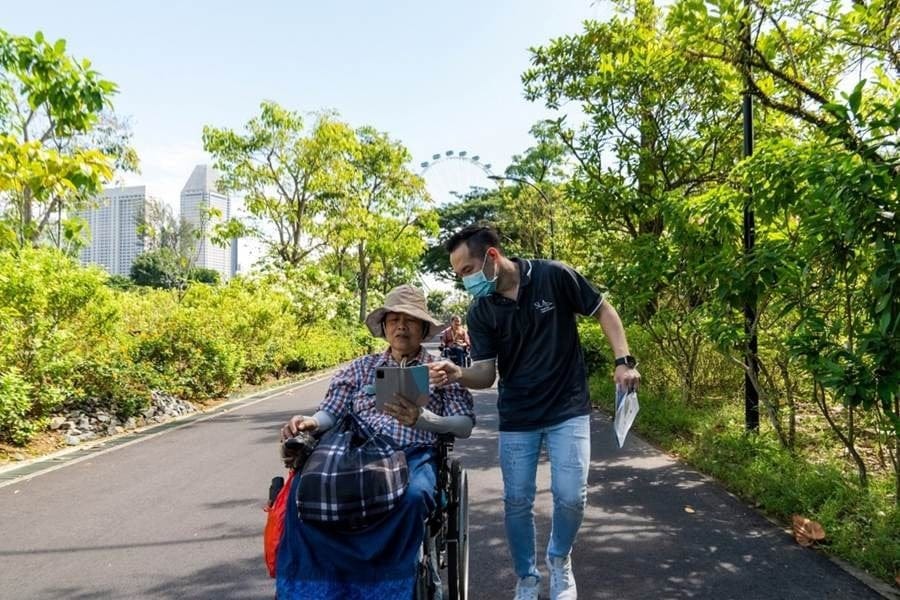
Accessible tourism is fundamentally about equal participation, but it also creates practical value for destinations and businesses. Inclusive design can widen the customer base, improve service quality and help organisations build trust with travellers who often spend considerable time verifying whether a trip will work for them.
Travellers are more likely to remember and recommend businesses that provide accurate information and treat them with respect. Accessibility can also benefit companions, family members and group organisers, whose choices are often influenced by whether everyone can participate.
Many improvements—such as clearer communication, simpler booking processes, flexible service and better wayfinding—enhance the experience for all visitors. Accessibility should therefore be seen as part of quality hospitality, not merely as a compliance exercise.
What Makes a Destination Truly Accessible?
A truly accessible destination considers the complete visitor journey and provides transparent choices. No single destination can meet every possible need in exactly the same way, but it should explain what is available, involve people with disabilities in planning and keep improving based on real feedback.
Accessible Accommodation
Accessible accommodation may include step-free entrances, wide doorways, sufficient turning space, roll-in showers, grab bars, suitable bed heights, visual alarms and accessible routes to shared facilities. Braille or tactile signage and hearing-support systems may also be helpful.
Travellers need more than a room labelled “accessible”. Hotels should describe the room clearly and confirm that the reserved accessible features will be available at check-in.
Barrier-Free Attractions and Public Spaces
Museums, parks, beaches and cultural sites can improve participation through accessible pathways, seating, adapted toilets, tactile exhibits, captions, audio description, hearing support and quiet areas. Where heritage or natural environments cannot be fully modified, alternative ways to experience the site should be considered.
Staff should also know which routes and facilities are available so visitors receive consistent information rather than different answers from different people.
Inclusive Transportation Options
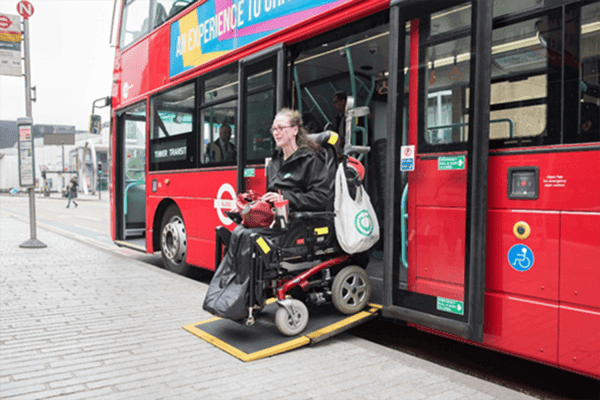
Transportation connects every part of a journey. Accessible buses, trains, airport assistance, suitable taxis and adapted private vehicles can determine whether a traveller can reach a destination safely and on time.
Operators should communicate booking procedures, mobility-device requirements, boarding arrangements and service limitations in advance. Backup plans are also important when lifts, vehicles or assistance services are unavailable.
The Role of Specialised Tour Operators in Accessible Travel
Accessible travel planning can involve many moving parts. Specialised tour operators help connect the details by checking routes, coordinating transport, reviewing accommodation and communicating requirements to local partners.
Their role is not simply to label a tour accessible. A responsible operator should understand that access needs differ, provide honest information and work with the traveller to identify suitable options. This reduces uncertainty while allowing travellers to make informed decisions.
At Ludus Lab, accessible tours are designed for wheelchair users, seniors and travellers with different needs. The team develops step-free itineraries, coordinates suitable services and offers inclusive experiences such as the Enabling Village tour led by a guide with disability. This combination of practical planning and lived experience helps turn accessibility from a promise into a more carefully supported journey.
How Skills Training Advances Accessible Tourism
Infrastructure is essential, but people bring an accessible experience to life. Frontline staff need the confidence and practical knowledge to welcome travellers with different needs respectfully and safely.
Effective training may cover disability awareness, appropriate language, guiding techniques, mobility assistance, visual impairment support, neurodiversity, communication and emergency procedures. Training is most meaningful when it includes the perspectives and lived experiences of people with disabilities.
Ludus Lab’s inclusive tourism training helps tourism and hospitality teams identify access barriers, support guests more effectively and build service practices that are both practical and respectful. When staff understand why accessibility matters and how to respond, the benefits reach every stage of the visitor experience.
Steps You Can Take to Support Inclusive Travel
Accessible tourism is a shared responsibility. Travellers, businesses, destinations and policymakers can each help remove barriers and improve the quality of information available.
For Travellers
· Describe your essential access requirements clearly when enquiring or booking.
· Ask specific questions instead of relying only on labels such as “accessible”.
· Use trusted accessible travel resources and specialised operators where appropriate.
· Share constructive feedback so businesses and other travellers can learn from your experience.
For Tourism Businesses
· Audit the full customer journey, including digital booking, arrival, facilities and departure.
· Publish detailed and current accessibility information with useful photos and measurements.
· Train frontline teams in disability awareness, respectful communication and practical assistance.
· Invite people with disabilities to test services and participate in improvement decisions.
For Destinations and Policymakers
· Apply universal design principles to infrastructure and public services.
· Include people with disabilities and representative organisations in tourism planning.
· Improve connections between transport, accommodation, attractions and public spaces.
· Set clear standards, monitor implementation and support businesses in building capability.
Key Takeaways
· Accessible tourism enables people with different access needs to participate in travel with greater dignity, comfort and independence.
· Accessibility covers the whole journey—not only physical infrastructure.
· People with disabilities, seniors, families and many other travellers benefit from inclusive design.
· Accurate information and trained staff are as important as ramps, lifts and accessible facilities.
· Businesses and destinations can improve inclusion by involving people with disabilities in planning and evaluation.
Travel should create opportunities to discover new places, connect with others and participate fully. By treating accessibility as a core part of quality tourism, we can build experiences where fewer people are excluded and more people are empowered to explore.
Frequently Asked Questions
What is the definition of accessible tourism?
Accessible tourism is the design and delivery of travel environments, products, services and information so that people with different access requirements can participate equitably. It covers the complete journey, including booking, transport, accommodation, attractions and customer service.
Who is accessible tourism designed for?
It is designed for people with physical, sensory, cognitive and other access needs. It also benefits seniors, families with young children, people with temporary injuries and anyone who benefits from clearer information and easier-to-use environments.
What are the most common barriers in accessible travel?
Common barriers include steps and uneven routes, inaccessible toilets, unsuitable transport, limited accommodation options, unclear online information and staff who have not received appropriate disability-awareness training.
How does accessible tourism benefit the broader economy?
It enables tourism businesses and destinations to welcome a wider range of customers, including companions and family groups. It can strengthen customer loyalty, improve service quality and encourage more people to participate in travel.
What should I look for when booking an accessible tour?
Look for specific information about routes, transport, toilets, accommodation and the level of assistance available. Ask whether the operator can accommodate your mobility device and essential requirements, and request photos or measurements when needed.
How can tourism businesses become more inclusive?
Businesses can audit their facilities and customer journey, publish detailed accessibility information, train staff and involve people with disabilities in reviewing services. Improvement should be ongoing rather than treated as a one-time project.
What is the difference between accessible tourism and inclusive tourism?
Accessible tourism focuses on removing barriers for people with access requirements. Inclusive tourism is broader and aims to ensure that people of different backgrounds, identities and circumstances can participate. The terms overlap because both promote fairer and more welcoming travel experiences.
Explore Accessible Travel with Ludus Lab
Discover Ludus Lab’s international wheelchair-accessible tours, Enabling Village guided tour and inclusive tourism training programmes. For a customised accessible journey or training programme, email Ludus Lab at hello@luduslab.sg